Set Financial Limits at PlayOJO: Responsible Gaming in Ireland for Better Budget, Time and Spending Control
If you want clear, practical guidance on playojo responsible gaming, this page explains how to set financial limits PlayOJO users in Ireland can rely on. I cover deposit and loss limits, time-based controls, and simple ways to stay in control while playing.
Why setting financial limits matters
I always look at responsible gaming from the player’s side first. The healthiest approach is to treat play as entertainment, not as a way to make money or fix day-to-day finances. Once that line is clear, limits become much easier to use because they support a plan you already made for yourself.
Financial limits help you decide in advance what feels comfortable. That can mean a set amount for deposits, a cap on acceptable losses, or time and spending control across a typical week. Instead of making decisions in the middle of a session, you set boundaries before emotions get involved.
For players in Ireland, PlayOJO offers transparent responsible gambling tools that support safer gambling in Ireland without removing personal choice. You decide what limits suit your budget. Used properly, they do not stop the fun. They reduce stress, cut down on overspending, and help keep play within a range that feels manageable.

Top responsible play options at PlayOJO Ireland
Three practical ways to stay in control — deposits, losses and session time

Deposit Limits
- Choose daily, weekly or monthly deposit periods
- Helps stop top-ups beyond your planned budget
- Lower limits usually apply straight away
- Useful before you begin any session
Irish players · 18+
Loss Limits
- Tracks actual net losses rather than deposits alone
- Works well with daily, weekly and monthly periods
- Helps stop chasing after a bad run
- Supports firmer budget discipline
Best for budget protection · 18+
Time Controls
- Reduces long sessions that often raise spending
- Pairs well with deposit and loss limits
- Helps you pause before decisions become emotional
- Supports better daily routine control
Pre-planned play · 18+
★ 4.8/5 — based on 1,247 player responsible gaming reviews
Types of financial limits available at PlayOJO
When I talk about financial limits, I do not mean deposits alone. A full control setup usually includes what you can add to your account, what you are prepared to lose overall, and time-based tools that can indirectly reduce spending by shortening sessions.
Deposit limits
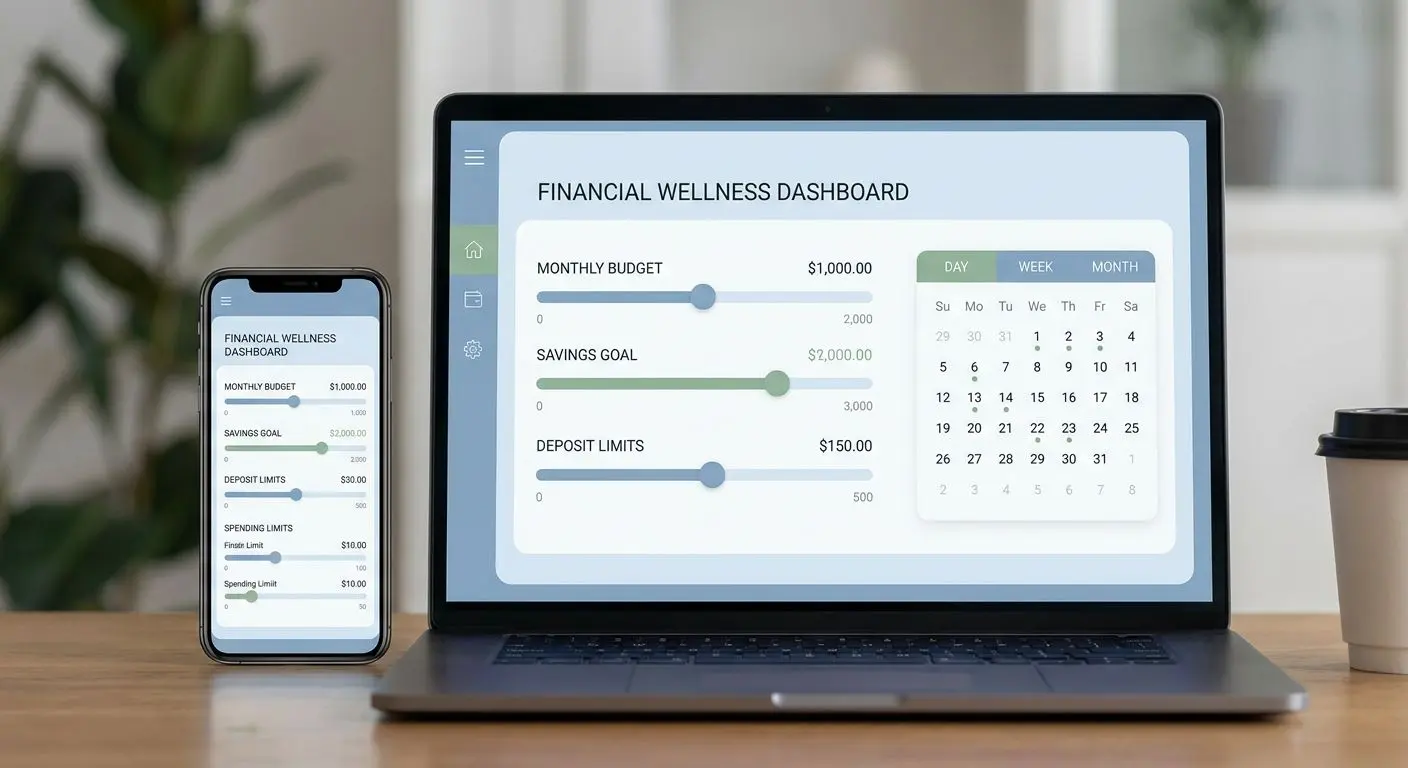
Deposit limits cap how much money you can add to your account over a chosen period, such as a day, week, or month. This is one of the simplest responsible gambling tools because it stops you from depositing more than the budget you set in advance.
Loss limits
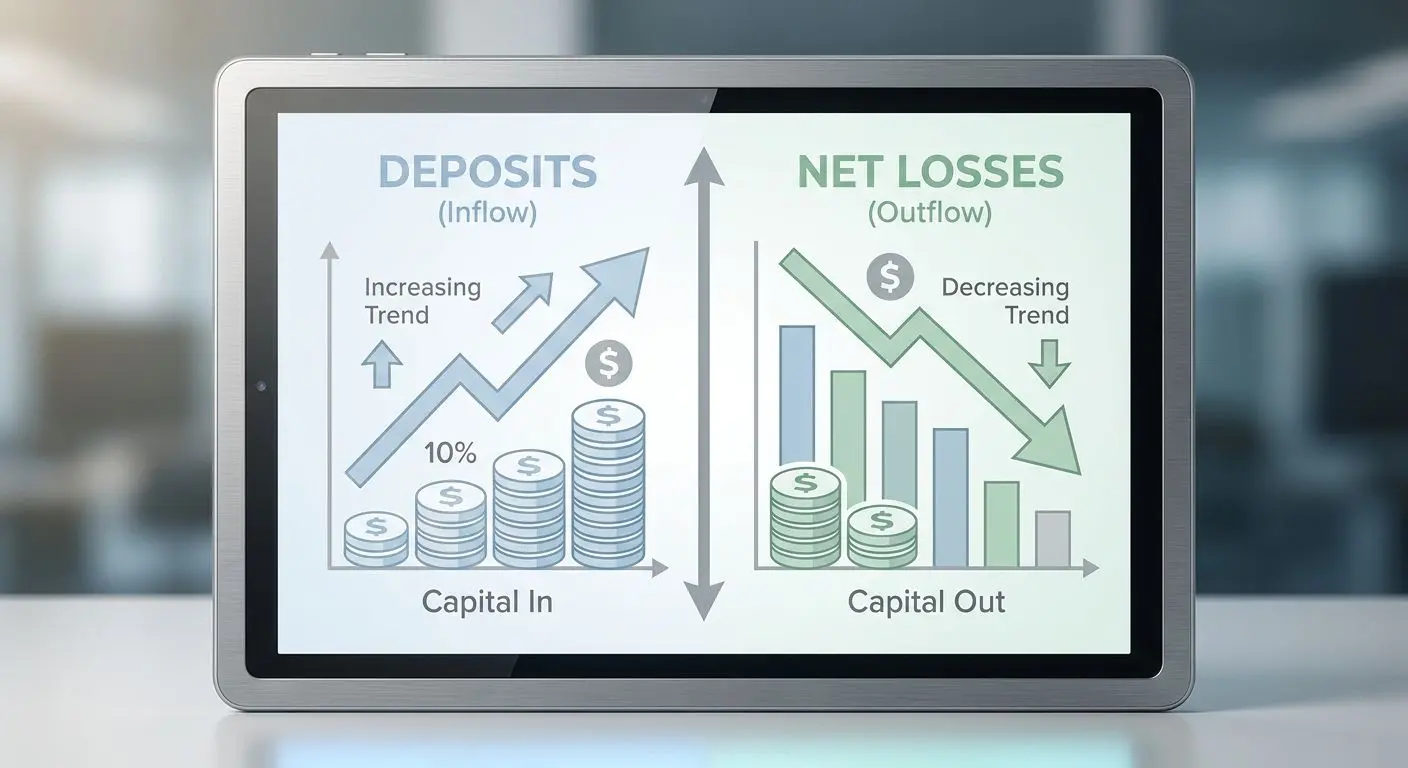
Loss limits focus on net losses during a period rather than total deposits. That means they track what you are actually down overall after returns are taken into account. They suit players who want a firm ceiling on how much they are willing to lose in a day, week, or month.
Time-based controls
Time controls are not purely financial, but they affect spending. Session reminders, reality checks, and login time limits can shorten long runs of play and help you pause before more money is spent. In practice, they work best alongside deposit and loss limits.
- plan your gambling budget in advance
- avoid chasing losses
- keep play within what you can afford
- make it easier to stop when the fun stops
How deposit limits work and how to set them
What is a deposit limit
A deposit limit is the maximum amount you can add to your account during a selected period, such as per day, per week, or per month. These periods can work separately, so you may choose one, two, or all three depending on how you manage your budget. Once the limit is reached, further deposits are blocked until that period resets.
How to set or change a deposit limit
In my experience, setting a deposit limit is easiest when done before you start playing. The process is usually similar on both the website and app: open your account, find the safer gambling or limits area, choose deposit limits, set the period, enter your amount, and confirm it.
If you lower a limit, the stricter setting usually applies straight away. If you try to increase a limit or remove it, the change may take some time and is not instant.
- Log in to your PlayOJO account on desktop or mobile.
- Open the account settings or safer gambling section.
- Select the deposit limit option.
- Choose a daily, weekly, or monthly period and enter your maximum amount.
- Confirm the update and review the new limit in your account.
Practical example of a deposit limit
If you set a weekly deposit limit of 100, that becomes your ceiling for the week. Even if you decide midweek that you want to add more, the system will refuse extra deposits until the next weekly cycle begins. That helps keep your spending inside the budget you chose.
| Period | What it means | When it can be useful |
|---|---|---|
| Day | Caps how much you can deposit in one day | Useful for frequent short sessions |
| Week | Caps deposits across seven days | Good for players who spread play over the week |
| Month | Sets a wider budget limit for the month | Helps with longer-term budgeting |
| Other/combined | Uses more than one period together | Useful if you want tighter layered control |
Understanding loss limits and staying within your budget
What is a loss limit
A loss limit sets the maximum net amount you are prepared to lose during a chosen period. Net loss means all stakes minus all returns during that timeframe. I find this especially useful for players who want a more realistic spending cap than deposits alone, because it focuses on the amount actually lost. Daily, weekly, and monthly loss limits can usually be used separately.
Simple example of how a loss limit works
Say a player sets a daily loss limit of 50. On the first day, they have a mixed session and finish only slightly down, so the limit is not reached. On the second day, a few poor sessions push their net losses close to that 50 amount. Once the total loss hits the set cap, further real money play is stopped for the rest of that period. The point is simple: the system stops you before losses drift beyond the number you accepted in advance.
How to set or adjust a loss limit
The setup path is usually similar to deposit limits. In your account, go to the safer gambling tools or limits area, choose loss limits, select a day, week, or month, enter the maximum loss you are comfortable with, and confirm the change. Lowering a limit tends to apply faster, while increasing or removing one may involve a wait and will not normally happen right away.
| Type of limit | What it controls | When players often use it |
|---|---|---|
| Deposit limit | How much money can be added to the account | When setting a fixed top-up budget |
| Loss limit | Maximum net losses over a period | When setting a firm downside cap |
| Time-based control | Time spent logged in or playing | When reducing long sessions that lead to overspending |
Review your loss limit options
Time and session controls that support your financial limits
When I review safer gambling in Ireland, I always look beyond direct money caps. PlayOJO can also offer tools that manage time, such as session reminders, time tracking, and limits on how long you stay logged in over a day. These controls matter because longer sessions often lead to higher spend.
Short, pre-planned sessions are usually easier on a budget than open-ended play. You can turn on reminders that tell you how long you have been active, cap your total login time, or take a short break if you feel yourself slipping into autopilot. If control feels weaker than usual, a longer pause may be the smarter move.
These features work best when combined with deposit and loss limits rather than used on their own.
| Control type | What it does | How it can protect your budget |
|---|---|---|
| Session reminder | Sends a time prompt during play | Helps you stop and check spending |
| Daily login limit | Restricts total account time in a day | Cuts down on long sessions |
| Short break | Temporarily pauses access | Prevents impulsive return play |
| Longer pause/self-exclusion | Stops access for an extended period | Stronger protection if control is slipping |
- decide in advance how long you want to play
- set an alarm or in-game reminder
- take regular breaks away from the screen
- log out when you reach your time or money limit
Set your time and session reminders
Practical tips for using limits at PlayOJO
I recommend starting with numbers that fit your free spending money after bills, essentials, and other hobbies are already covered. If a limit feels high on paper, it is probably high in practice as well. A limit should reflect your real comfort level, not a best-case mood.
It also helps to review your settings regularly, maybe once a month, without changing them during an emotional session. I do not advise increasing limits after a run of losses or even after a good run. A limit is not a target to hit; it is the upper edge of what you may spend, and you do not need to reach it.
For balance planning and cashing out, see how withdrawals work. If you want a clearer view of what spending with actual funds means, read PlayOJO real money play. Payment methods and related restrictions are covered in PlayOJO banking terms.
- set your limits before you start playing
- do not increase limits during a losing session
- keep track of how much time and money you spend
- take a break if you feel the urge to chase losses
- talk to support if you are unsure which tools to use
Connect with PlayOJO and get support
No player has to manage this alone. If limits are not enough, you can contact PlayOJO support and ask about stronger restrictions or extra account controls. From what I have reviewed, PlayOJO speaks openly about safer gambling and gives players routes to get help.
You can also follow official channels for product updates, feature news, and reminders around responsible play:
- Facebook: https://facebook.com/playojo
- Instagram: https://instagram.com/playojo
- X (Twitter): https://x.com/PlayOJO
- YouTube: https://youtube.com/@PlayOJO
For private account questions, limit changes, or sensitive concerns, it is better to use official support through the site or app.
Popular slots — what UK players cash out from
The 12 most withdrawn-from slots in the PlayOJO cashier over the last 30 days












FAQ: financial limits and responsible gaming at PlayOJO
How do I set a deposit limit at PlayOJO?
Log in to your account, open the safer gambling or limits area, choose deposit limits, and select the period and amount you want. You can usually edit a limit later, but if you try to loosen it, the update may not apply immediately.
What is the difference between a deposit limit and a loss limit?
A deposit limit controls how much money you can add to your account during a set timeframe. A loss limit controls how much net loss you are willing to accept over that same kind of period. Many players use both together for stronger budget protection.
Can I change or remove my limits later?
Yes, limits can normally be changed. If you lower a limit, the stricter setting usually takes effect quickly. If you increase or remove a limit, there may be a waiting or cooling-off period before the change becomes active. That delay supports safer gambling decisions.
Do limits stop me from withdrawing my money?
No. These limits are there to manage deposits, losses, and time spent using the account. They are not designed to block withdrawals. If you want more detail on the payout side, read how withdrawals work.
What should I do if limits are not enough to keep my gambling under control?
Lower your limits straight away or take a break from play. After that, contact PlayOJO support to ask about stronger tools, such as a longer pause or self-exclusion if available. If play no longer feels like entertainment, getting help early is the best step.